Safaris
Kilimanjaro
Destinations
Experiences
Travel guide
About
Contact Call +255 764 006 061 Plan Your Safari
Journal · · 8 min read

Best Time to Climb Kilimanjaro

Two dry windows, two wet ones, and a trade-off between weather and how busy the trail is.

Last updated

Kilimanjaro can be climbed in any month. The changes are how wet the trail is, how cold the summit night is, and how many other people are on the mountain with you.

The two dry windows

Northern Tanzania has two rainy periods, a long one and a short one, and the drier stretches between them are the established climbing seasons.

The longer dry window falls across the middle of the year. Clear conditions, cold nights, and the busiest trails of the year. If you want the highest chance of dry rock underfoot and clear summit views, this is it, and you'll be sharing the mountain.

The shorter dry window falls around the turn of the year. Warmer than mid-year, generally clear, and busy over the holiday period specifically but quieter either side of it.

The wet months

The long rains and the short rains both make for harder climbing: wet rock, mud through the rainforest section, cloud that closes out the views, and gear that doesn't dry overnight. Some operators don't run at all in the wettest weeks.

It isn't impossible, and the mountain is very quiet. But a wet summit night is genuinely miserable and the odds of a clear view from the crater rim drop much. If you have a choice, choose a dry window.

Route matters more in the wet

Approach direction changes how much rain you meet. Rongai, which comes in from the north, is drier than the southern approaches and is the usual recommendation for a climb in a marginal month.

Marangu is the other wet-season option for a different reason. It's the only route with hut accommodation, so you sleep under a roof, not in a tent that has been rained on all day.

The full moon question

Some trekkers time the summit night to a full moon, on the basis that the extra light makes the pre-dawn ascent easier and the views better. It is a real effect and a real preference. It is also, predictably, when the mountain is busiest. Neither choice is wrong.

Cold, whenever you go

The summit is well below freezing at night in every month of the year, and the wind on the crater rim makes it feel colder. Season affects how wet you get on the way up. It doesn't make the summit night warm.

The practical advice

If your dates are flexible, take a dry window and book early. The good camps and the better guides go first in peak season. If your dates are fixed and land in a wet month, take a northern approach, take more days, not fewer, and expect to be rained on.

Whatever the month, the single biggest factor in whether you reach the summit isn't the weather. It is how many days you spend getting there. See the route comparison.

Itineraries

Kilimanjaro climbs we run

Compare all routes
A group of trekkers with poles and heavy packs walking up a rocky mountain path.
The seasons

The two windows, and the two to avoid

January to mid-March
Warmer, quieter and more likely to give snow on the summit, which many people find makes the summit morning much better. Nights are cold but less brutally so than in the northern summer. Many guides prefer this season.
Mid-March to May
The long rains. The forest zone becomes genuinely miserable, the Barranco rock is slick, the summit is often in cloud, and views are limited. Prices drop sharply. Not a sensible first climb.
June to October
The main season: driest, clearest and busiest. Machame and Marangu carry heavy traffic in August. Nights are the coldest of the year. If you want solitude in this window, take Rongai or Lemosho.
November to December
The short rains, usually falling as afternoon showers, not all-day rain, and often perfectly climbable. Quieter than the main season. Late December is busy again over the holidays.
Full moon
Worth checking. A summit night on or near a full moon is meaningfully easier to walk and the crater views are extraordinary. Those dates book out early.
Trekkers crossing high, bare desert on the mountain, with a dusty ridge behind them.
Weather

What the mountain does regardless of season

Kilimanjaro creates its own weather, and the season affects the lower mountain far more than the upper one.

You pass through five ecological zones on the way up, and each has its own climate. The rainforest is warm and wet in any month. The moorland is temperate with strong sun and cold nights. The alpine desert above around 4,000 metres is arid, windy and swings enormously between day and night. And the summit zone is arctic year-round.

That means summit night is cold whatever month you climb. Well below freezing on the crater rim, colder with wind chill, and the difference between January and August at that altitude is smaller than the difference between a still night and a windy one.

Afternoon cloud building up around the mountain is normal in every season. Clear mornings and cloudy afternoons is the usual pattern, which is one reason days start early.

The practical consequence is that layering matters more than picking a month. A base layer, fleece, insulated jacket and waterproof shell handle everything from the forest to the summit, in any season.

The mountain, month by month

Dry Shoulder Green Long rains

January

One of the two best months. Warmer than the northern-summer season, quieter on the trail, and more likely to give snow on the summit, which most people find makes the summit morning better.

February

The other pick of the year. Clear, relatively warm, and quiet. Many guides prefer January to mid-March over the busier June-to-October window for exactly these reasons.

March

Good in the first half, deteriorating in the second as the long rains approach. Book the early part of the month, not the end.

April

The long rains. The forest zone is genuinely miserable, the Barranco rock is slick, and the summit is usually in cloud. Prices fall sharply. Not a sensible first climb.

May

Still the long rains and still not recommended for a first attempt. Experienced trekkers who don't mind wet forest will have the mountain close to themselves.

June

The dry season opens. Conditions improve through the month, the trail isn't yet crowded, and nights begin to get properly cold.

July

Dry, clear and busy. Machame and Marangu carry serious traffic. If you want space in this window, take Rongai or Lemosho.

August

The busiest month on the mountain. Excellent conditions and the coldest nights of the year. Book several months ahead, and further for dates near a full moon.

September

Dry, clear and slightly quieter than August. One of the strongest months overall.

October

The last of the main season. Good conditions early, with the short rains arriving toward the end of the month.

November

The short rains, usually afternoon showers, not all-day rain. Often perfectly climbable and much quieter. Rongai, on the mountain's dry northern side, is the sensible route this month.

December

Variable early and busy late. The first three weeks are quiet and often fine. The holidays fill the trail and the rates rise.

Two climbers in red and green jackets on a snowy slope above the clouds.
Planning

Booking around the season

Once you've chosen a window, a few practical points follow.

The main season books up. July, August and September on Machame and Lemosho fill several months ahead, and the popular full-moon dates go earlier than that. If your dates are fixed and fall in this window, book well in advance.

January to March has better availability and generally slightly lower rates, without much compromise in conditions.

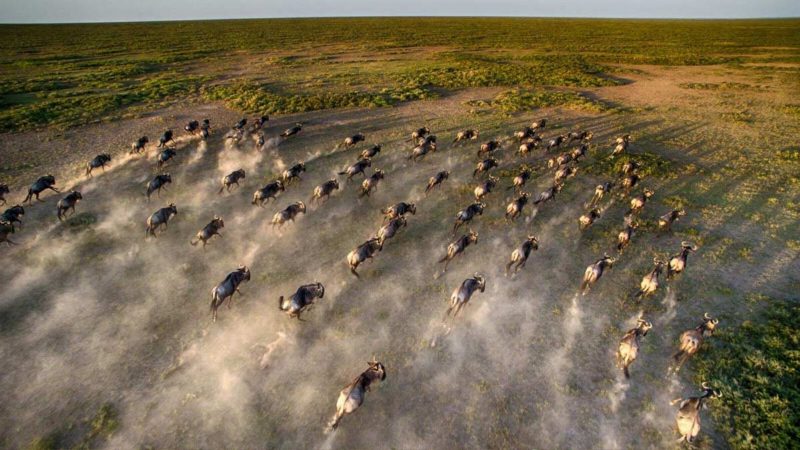
If you're combining the climb with a safari, January to mid-March lines both up well: a quieter, warmer climbing season and the calving on the southern plains. June to October lines up the dry season on both.

Climb first, safari second. Coming off the mountain is exhausting and the safari is the gentler half. And if the climb runs a day over, it eats a safari day, not a flight.

Allow a rest day between the two. Most people underestimate how much a summit night takes out of them.

And check your insurance covers trekking to your route's maximum altitude. Standard policies frequently stop at 4,000 or 5,000 metres.

Trekkers picking their way across dark volcanic rock toward Kibo's snow-streaked summit.
Practical

Things to check before fixing dates

Check the moon. A summit night on or near a full moon is much easier to walk. The route is visible without relying on a headtorch, and the crater and glaciers in moonlight are extraordinary. Those dates book out first.

Check what else is happening in your window. If you're combining with a safari, January to mid-March lines up the quieter climbing season with the calving. June to October lines up the dry seasons on both.

Check your insurance. Standard travel policies frequently exclude trekking above 4,000 or 5,000 metres, which doesn't cover Uhuru Peak. This is the single most common admin failure on a climb.

Check the route's availability, not just the month. Machame and Lemosho in August fill several months ahead.

Build in a rest day after the climb. Most people underestimate how much summit night takes out of them, and starting a safari the next morning is a decision people regret.

And see your own doctor before booking, not after.

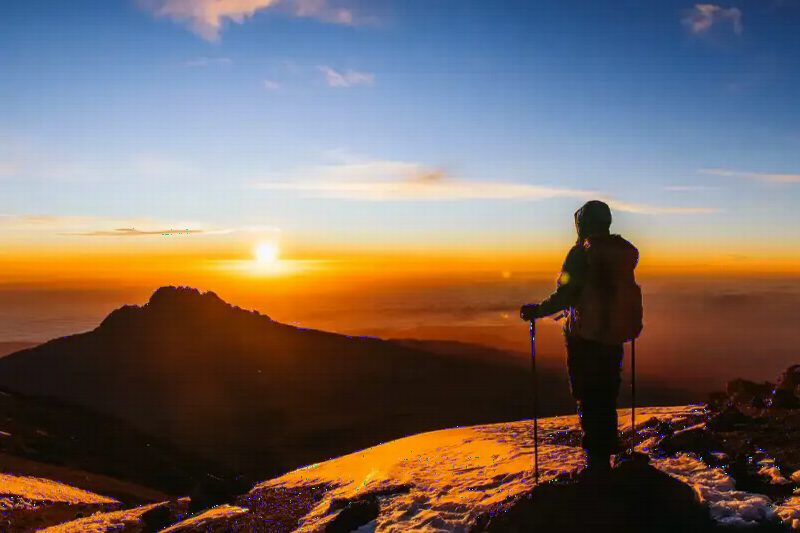
A climber silhouetted against a blazing sunrise high on the mountain, a jagged peak beyond.
Planning

Combining a climb with a safari

Most people who climb Kilimanjaro also want a safari, and the order and timing matter more than they expect.

Climb first. Coming off the mountain is genuinely exhausting, the safari is the gentler half, and if the climb runs a day over it eats a safari day, not an international flight.

Allow a rest day between them. A summit night takes more out of people than they anticipate, and starting a game drive at six the next morning is a decision most regret.

Line up the seasons. January to mid-March gives you the quieter, warmer climbing window and the calving on the southern plains. June to October gives you the dry season on both, with the northern river crossings and the busiest mountain.

Avoid mid-March to May for the climb specifically. The forest zone in the long rains is miserable and the summit is usually in cloud, and no safari upside compensates.

And budget the transfer: Moshi, where climbs start and finish, is around ninety minutes from Arusha, where safaris start.

Orange tents pitched on a rocky shelf below Kibo, with cloud drifting across the mountain's flank.
In short

The short answer

January to mid-March for warmth, quiet and a better chance of summit snow. June to October for the driest and busiest conditions. Avoid mid-March to May.

More from the journal

Keep reading

All stories

Journal

Altitude on Kilimanjaro

Altitude, not fitness, stops most people. The way acclimatisation is managed on the mountain, and why this article…

Talk to a safari expert on WhatsApp (opens in a new tab)