Safaris
Kilimanjaro
Destinations
Experiences
Travel guide
About
Contact Call +255 764 006 061 Plan Your Safari
Destination

Tarangire National Park

Baobabs and the largest elephant herds in the north

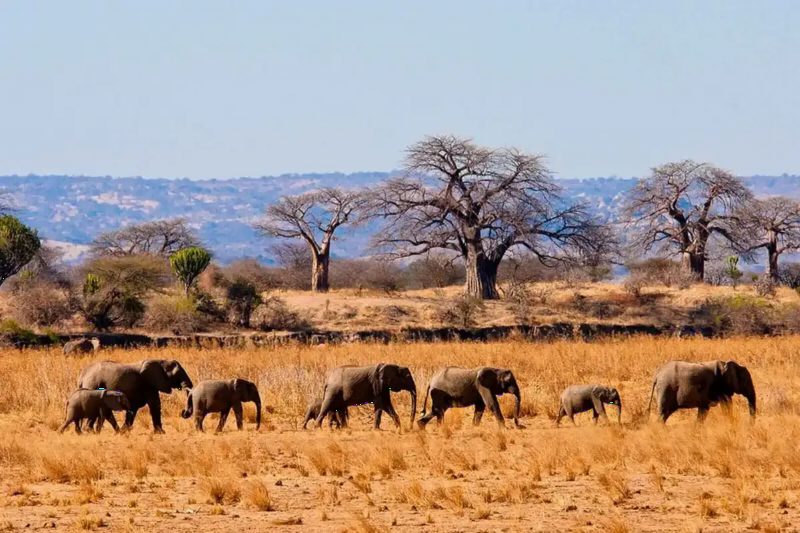
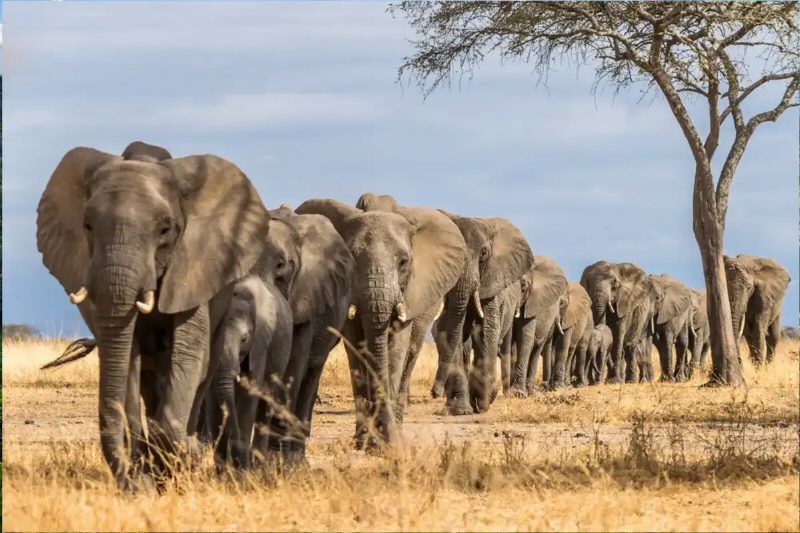
A long line of elephants walking through dry grass under a tall acacia.
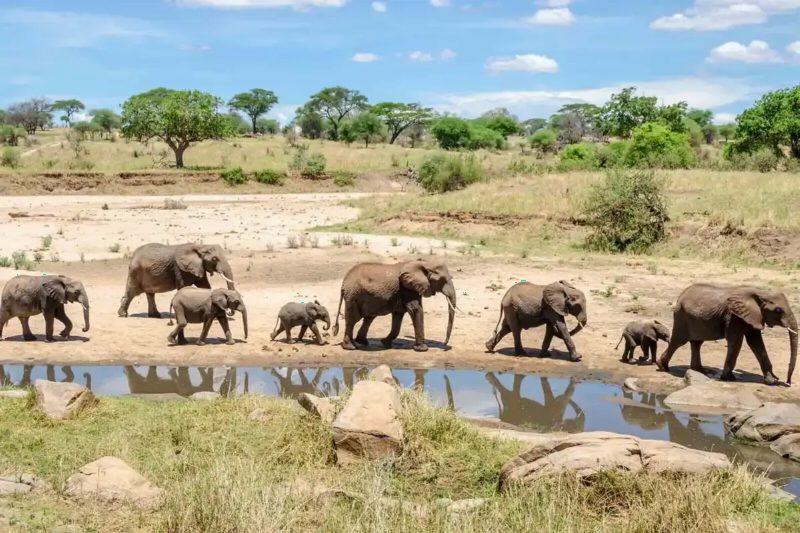
A family of elephants walking along a pool, their reflections in the water.
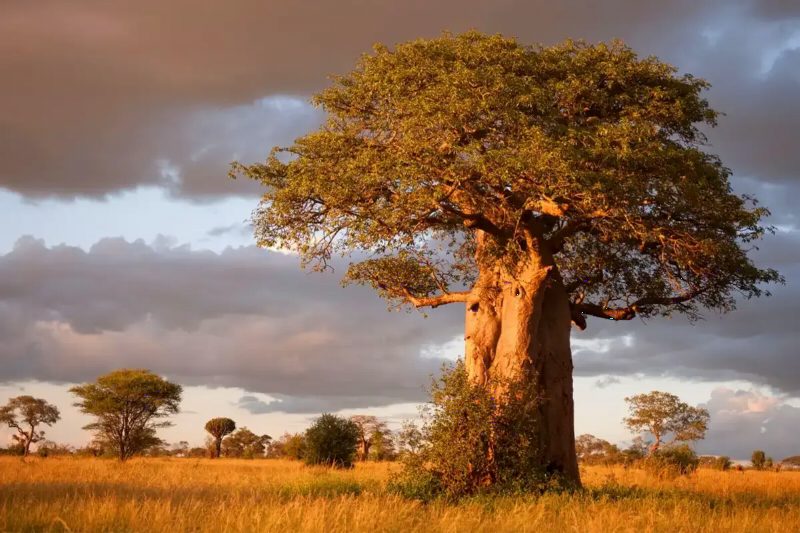
A huge baobab tree glowing in low sunlight on the open plain.
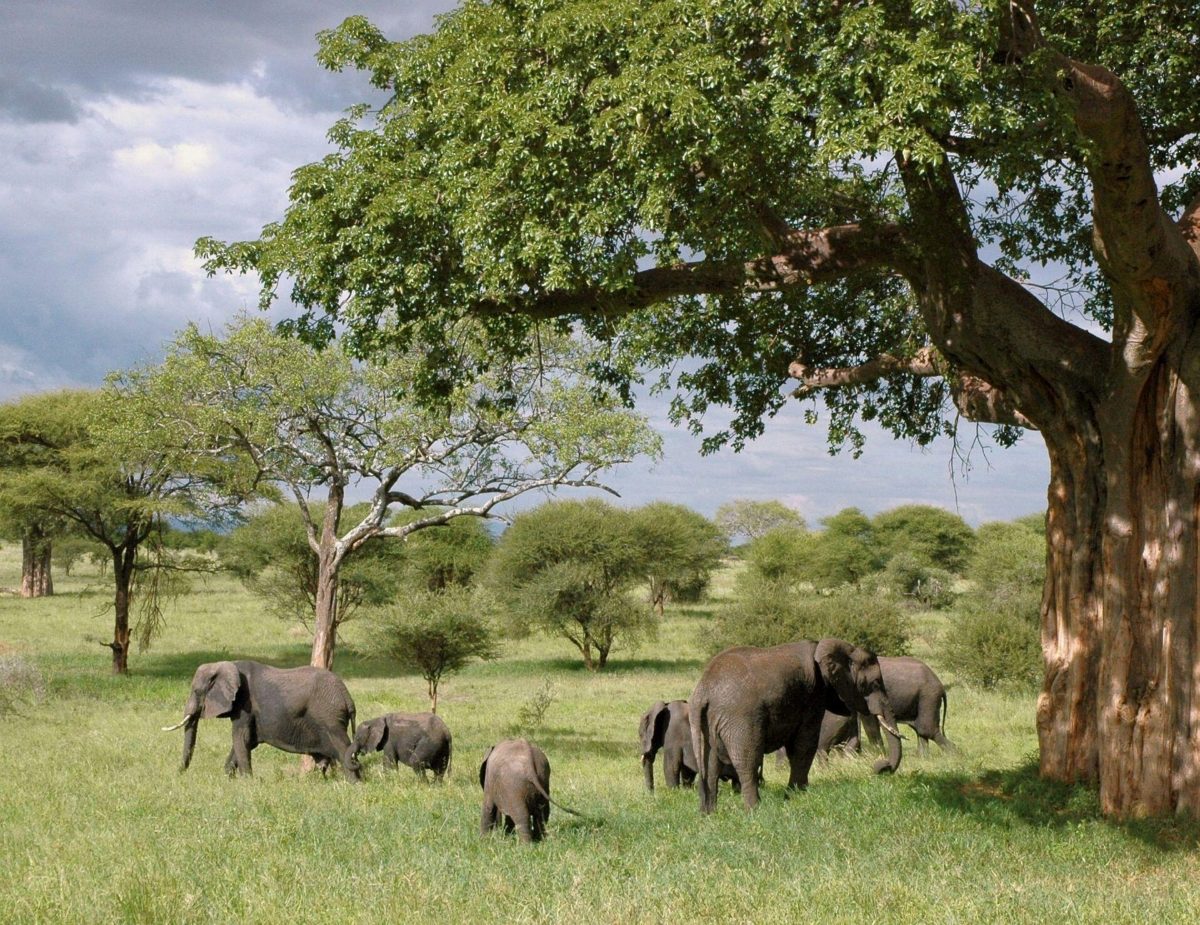
Elephants feeding in the shade of a large tree on a green plain.
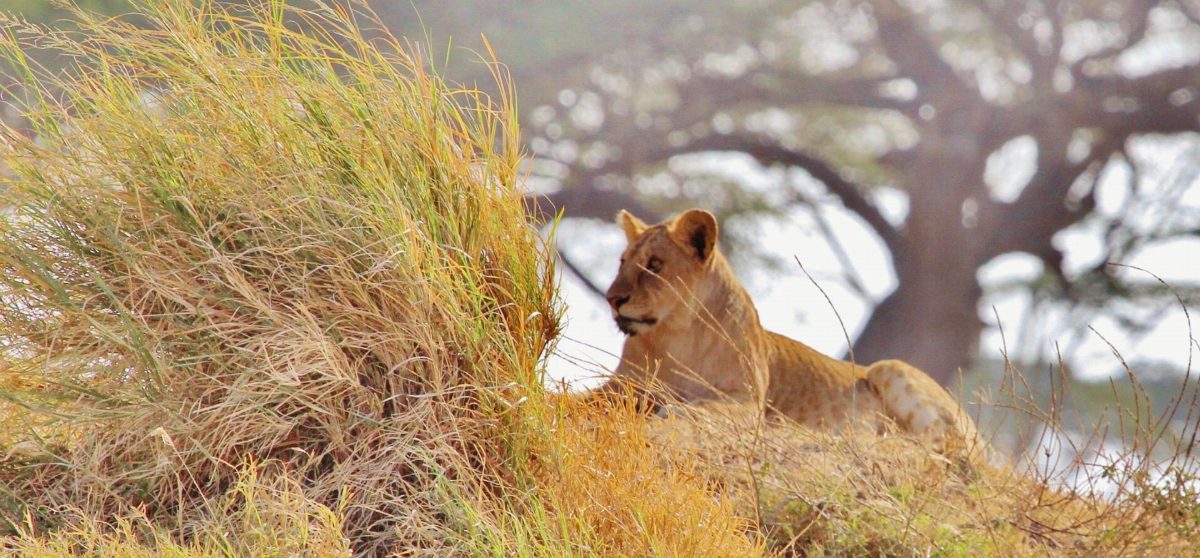
A lioness lying in long grass in front of a baobab tree.
A line of elephants walking across dry grassland past a stand of baobab trees.
Size 2850 sq km (1,096 sq miles)
Location 118 km (75 miles) southwest of Arusha
Best time June to October, when animals concentrate along the river.
About the park

Tarangire follows the course of the river that gives the park its name, and in the dry months that river is the only reliable water for a long way in any direction. Animals come to it. From roughly July through to October the game along the watercourse is about as dense as anywhere in northern Tanzania. Elephants gather here in herds far larger than most visitors expect.

People remember the landscape most. Tarangire is baobab country. The trees stand in open grassland and along the ridges, and some of them are centuries old. It gives the park a character quite unlike the short-grass plains of the Serengeti, or the forested crater rim at Ngorongoro. Termite mounds dot the ground between them, many of them taken over by dwarf mongoose.

Alongside the elephants, the river draws wildebeest, zebra, buffalo, eland, hartebeest and large numbers of impala, with lion and leopard following them. Tarangire also holds a few species that are difficult to see elsewhere on the northern circuit, including fringe-eared oryx and the long-necked gerenuk. For birdwatchers the park is a genuine destination in its own right, with a species list that runs into the hundreds and includes yellow-collared lovebirds and several dry-country specials.

Wildlife moves seasonally. During the wet months much of the game disperses north and west out of the park boundary, and sightings become more scattered. That doesn't make the green season a poor time to visit. The landscape is transformed, migrant birds arrive, and the park is far quieter. But it does change what you should expect to see.

Tarangire sits southwest of Arusha, close enough to reach comfortably in a morning. That is why it so often opens a northern circuit itinerary, before the road carries on toward Lake Manyara, the Ngorongoro Crater and the Serengeti.

The park also runs guided walking safaris. Day trips go out to Maasai and Barabaig villages, and to the hundreds of ancient rock paintings near Kolo on the Dodoma road.

Why visit Tarangire

Tarangire is defined by water, or the lack of it. The Tarangire River runs through the length of the park and in the dry months it's the only dependable water for a very long way, which turns the whole park into a funnel. Animals that spread far across the surrounding Maasai steppe in the wet season pull back towards the river, and that concentration is why Tarangire is on almost every northern circuit itinerary.

The park is also the most distinctive-looking of the northern parks. Baobabs stand across open grassland and along the ridges, enormous and oddly geometric, and the ground between them is studded with termite mounds. It looks nothing like the Serengeti's short-grass plains or the forested rim of Ngorongoro, which is part of why it's worth including even on a short trip.

Itineraries

Safaris that visit Tarangire

All safaris
Before you go

Practical notes

Wildlife

Large elephant herds, especially July to October. Lion and leopard follow the herbivores to the river. Wildebeest, zebra, buffalo, eland, hartebeest and impala in numbers. Tarangire also holds dry-country species that are hard to find elsewhere on the northern circuit: fringe-eared oryx, gerenuk and lesser kudu. Birding is exceptional, with several hundred species recorded including yellow-collared lovebirds and a good showing of dry-country specials.

Getting there

By road from Arusha. The distance is about 118 km (75 miles) to the southwest. It is usually the first park on a northern circuit itinerary, reached in a morning, with Lake Manyara and the Ngorongoro Crater continuing on the same road west.

Best time to visit

June to October, when animals concentrate along the river.

A single elephant walking toward the camera through golden grass, tusks catching the low light.
On the ground

Elephants, baobabs and the river that runs the park

Tarangire is built around one thing: a river that holds water when almost nothing else in the region does.

In the dry months, roughly July to October, animals walk in to drink from a much larger area, including land well outside the park boundary. That gives you one of the highest concentrations of elephant anywhere in Tanzania.

The elephants are why most people come, and they do not disappoint. Herds of thirty and forty are ordinary here. At the height of the dry season, seeing several hundred animals in a day is not unusual. They are relaxed around vehicles. They cross the road in front of you with small calves. And when the river stops flowing on the surface, they dig for water in the sand of the riverbed.

The other thing Tarangire is known for is baobabs. It has them in numbers you will not see anywhere else on the circuit. They are huge, swollen, improbable trees, and many are scarred where elephants have stripped the bark for the moisture inside. They give the park a completely different outline from the flat-topped acacias of the Serengeti, and they are why Tarangire photographs so well at dawn and dusk.

Beyond that, the park holds good numbers of lion, buffalo, giraffe, zebra and impala, and a healthy leopard population in the riverine woodland. There are also two animals you will struggle to see elsewhere on the northern circuit. One is the fringe-eared oryx. The other is the gerenuk, a long-necked antelope that stands on its hind legs to feed.

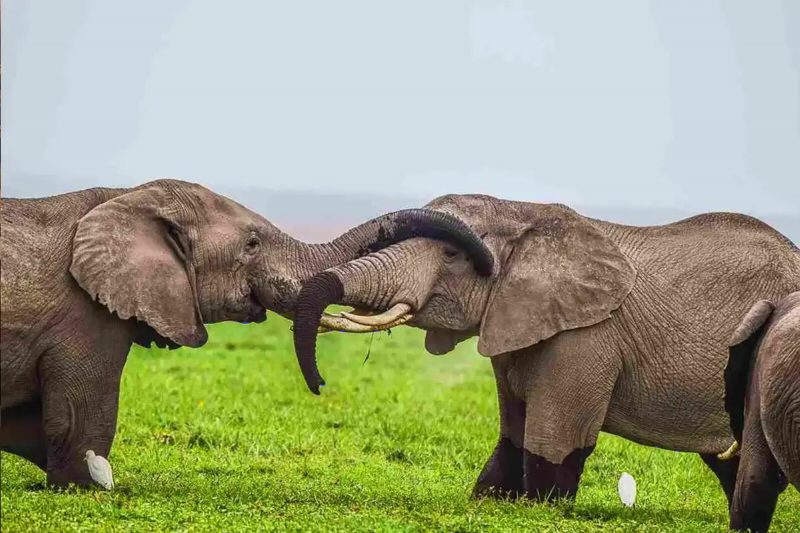
Two young elephants with trunks locked, sparring on short green grass.
Timing

Why Tarangire is a dry-season park

More than anywhere else on the northern circuit, Tarangire's quality swings with the season, and it's worth understanding why before you decide where it sits in your itinerary.

From July to October the surrounding country is dry and the river is the only reliable water for a long way. Animals concentrate on it, densities climb, and the park is at its best. It is arguably the best big-game viewing in northern Tanzania during those months, and better than the Serengeti for elephant.

From November to May the rains spread water across the wider ecosystem and much of that game disperses, a good deal of it out of the park altogether. The park is still worth visiting. The resident population is large, the birding is exceptional, and the landscape is green and beautiful. But you won't see the dry-season concentrations, and anyone who tells you otherwise is selling.

The birding argument for the green season is genuine, not a consolation prize. Over 550 species have been recorded in Tarangire, migrants arrive from November, and the park holds Tanzanian endemics including the ashy starling and the yellow-collared lovebird.

If your dates fall in the green season and elephant is your priority, put your nights into the Serengeti and Ngorongoro and treat Tarangire as a half-day stop on the drive. If you're travelling between July and October, give it two nights and stay inside the park.

A leopard stretching down the trunk of a tree toward the ground.
Planning

Where Tarangire fits in a northern-circuit route

Tarangire sits about two hours from Arusha on good tarmac, which makes it the natural first park on a westbound route and the natural last one on the way home. Most itineraries take it on day one, which works well: it's close enough that you can leave Arusha after breakfast and be on a game drive by mid-morning.

The choice worth thinking about is whether to sleep inside the park or outside it. Camps inside the boundary put you on a game drive within minutes of waking, so you get the best hour of the day. Lodges on the escarpment outside are generally cheaper and have wider views. They cost you forty minutes each way, and the gate opening time.

A common and sensible shape for a week is Tarangire, then Lake Manyara or straight to the Ngorongoro highlands, then the Serengeti, then back over the crater. Tarangire and Manyara are close enough together that some short itineraries do both in a day. That gives each of them a couple of hours and neither of them properly.

If you have the time, head south, beyond the Silale swamp. It is much quieter down there than the northern sector around the main gate, and the drive itself is a genuine wilderness experience. It needs a full day and a camp in the south to be worth it.

Questions

Visiting Tarangire

When is the best time to visit Tarangire?
July to October. In the dry months the Tarangire river is the only reliable water for a long way and game concentrates on it, producing some of the highest elephant densities in Tanzania. From November to May the rains disperse much of that game beyond the park boundary.
Is Tarangire worth visiting in the green season?
For birds, yes. Over 550 species have been recorded and the migrants arrive from November. For big game, it's much weaker than the dry season. If your dates fall between November and May and elephant is your priority, treat Tarangire as a half-day stop, not a two-night base.
How far is Tarangire from Arusha?
Around two hours on good tarmac, which makes it the natural first park on a westbound route. You can leave Arusha after breakfast and be on a game drive by mid-morning.
Should I stay inside the park or outside?
Camps inside the boundary let you use the first hour after dawn, which is the best hour. Lodges on the escarpment outside are generally cheaper and have wider views but cost you around forty minutes each way plus the gate opening time.
What can you see in Tarangire that you cannot see elsewhere on the circuit?
Fringe-eared oryx and gerenuk both occur here and are effectively absent from the rest of the northern circuit. The baobabs are also unique to Tarangire among the northern parks, and they change the look of every photograph you take.
Build it in

Want Tarangire in your trip?

Tell us how long you have and we will build an itinerary around it.

Talk to a safari expert on WhatsApp (opens in a new tab)