
Tanzania Safari Company in Arusha
We are based in Arusha, at the road head for the northern circuit. That is the whole reason this works the way it does.
Why being based here matters
Arusha is where northern Tanzania's safari industry actually operates from. The road west to Tarangire, Lake Manyara, the Ngorongoro Crater and the Serengeti starts here, Kilimanjaro is an hour east, and the international airport that most safari travellers fly into sits between the two.
Plenty of companies sell Tanzanian safaris from other countries and subcontract the driving to an operator here. There is nothing dishonest about that, but it puts a layer between you and the people running your trip, and it shows up in the small things. How quickly a question gets answered, whether anyone knows that a particular road is washed out this week, whether the camp you were promised has changed hands since the brochure was written.
We are the operator. The vehicles, the guides and the person answering your email are all here.
Getting to Arusha
Most visitors arrive at Kilimanjaro International Airport (JRO), which sits between Arusha and Moshi and is about an hour's drive from Arusha town. It is the practical arrival point for both a northern circuit safari and a Kilimanjaro trek.
Arusha Airport (ARK) is a smaller airfield much closer to town, used mainly for light aircraft, including flights into the Serengeti airstrips and on to Zanzibar. If your itinerary includes a fly-in or fly-out leg, this is usually where it starts.
Some travellers arrive instead through Dar es Salaam or overland from Nairobi. Both work. Both are longer. Tell us how you're arriving when you enquire, because it changes what the first and last days of an itinerary can sensibly contain.
What we run from here
Private safaris across the northern parks, and treks on Kilimanjaro. Every trip leaves from Arusha or from your hotel near the airport, in its own four-wheel-drive Land Cruiser with a viewing roof and its own driver-guide.
The parks are close together. Tarangire is a morning's drive, the Serengeti a long day or a short flight. So a four or five day safari is genuinely worthwhile from here in a way it wouldn't be from most other African gateways. That proximity is the northern circuit's single biggest practical advantage.
Arriving early or leaving late
The day you land and the day you fly out are usually written off, and they don't have to be. Arusha National Park is the closest park to town and works well as a half or full day at either end of a trip. Forest, the Momela Lakes, Mount Meru behind, and walking is allowed, which it mostly isn't elsewhere on the circuit.
There are also day trips out toward Moshi and the Kilimanjaro foothills. If you have a spare day, ask us instead of spending it at the hotel pool.
Planning from abroad
Almost all our trips are planned by email over a few weeks before arrival. That is the sensible way to do it: park accommodation genuinely fills months ahead in the peak season, and the itinerary usually goes through two or three drafts before it's right.
If you're already in Arusha and want to arrange something, call or send a WhatsApp message. We will tell you honestly what's available at short notice, which in July and August may not be much.
What is within reach
Arusha sits at the road head for the northern circuit. These are the distances the parks themselves publish. The drives are longer than the kilometres suggest, because the last stretch into any park is unsealed.
- Arusha National Park
- Closest park to town
- Tarangire National Park
- 118 km (75 miles) southwest
- Serengeti National Park
- 335 km (208 miles) northwest
- Mount Kilimanjaro
- 128 km (80 miles) east
- Kilimanjaro International Airport
- About an hour's drive
Lake Manyara and the Ngorongoro Crater sit on the same road west, between Tarangire and the Serengeti.
Parks we run from Arusha
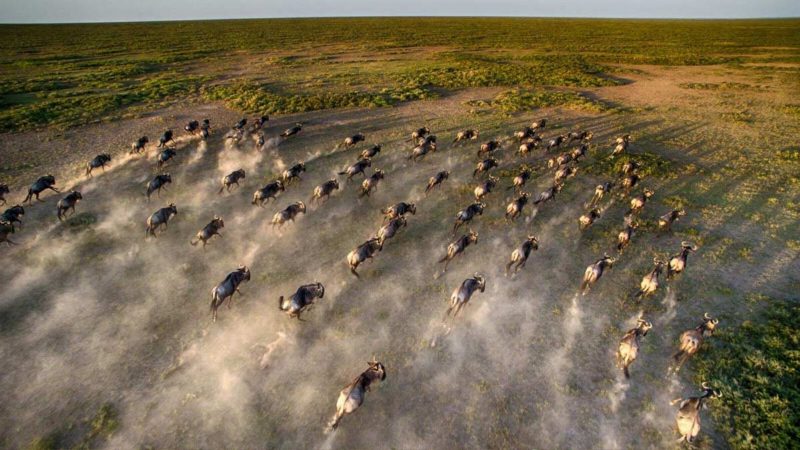


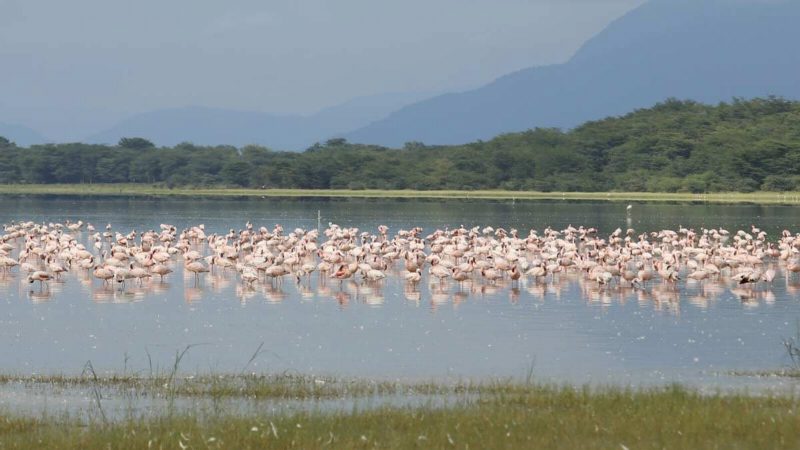

Planning from abroad, or already in Arusha?
Either works. Most trips are planned by email over a few weeks before arrival, but if you are already here and want to arrange something, call or message and we will tell you honestly what is possible at short notice.
What being based here actually means
Arusha sits at the eastern end of the northern circuit, and almost every safari in northern Tanzania starts and finishes here. That is geography, not marketing. The road west to Tarangire, Manyara, the Ngorongoro highlands and the Serengeti begins in this town, and Kilimanjaro International Airport is about an hour east of it.
For you as a visitor, it means the operators, the vehicles, the guides and the workshops are all here. If a vehicle develops a problem in Tarangire, it is two hours from spare parts. The same problem on the far side of the country is a very different kind of day.
It also means the first day of a westbound trip is a short drive, not a long one. Tarangire is two hours away on tarmac, so you can leave after breakfast and be on a game drive by mid-morning.
And it means Arusha National Park, under an hour from both the town and the airport, is available for the arrival and departure days that most itineraries waste.
Being based in Arusha is not a claim about quality. It is a claim about being close by, and on this circuit that counts for a great deal.
What is within reach, and how far
- Arusha National Park
- Around 40km, under an hour. Ngurdoto Crater, the Momella Lakes and the forested lower slopes of Mount Meru. No lions, so walking and canoeing are permitted.
- Tarangire National Park
- Around 120km, roughly two hours on tarmac. The natural first park on a westbound route, and at its best from July to October.
- Lake Manyara National Park
- Around 125km, about two hours. Groundwater forest, the Rift escarpment and the best bird list on the circuit.
- Ngorongoro Conservation Area
- Around 180km to the crater rim, three to four hours. The crater floor is a six-hour visit from a six-thirty gate.
- Serengeti National Park
- Around 330km to the central area, a full day's drive, or roughly an hour by air to Seronera.
- Lake Eyasi
- Around 260km, four to five hours, south-west of the crater highlands.
- Kilimanjaro
- Moshi is around 80km east, roughly ninety minutes, and is where climbs start.
Arriving, staying and getting around
Most international visitors arrive at Kilimanjaro International Airport, which sits between Arusha and Moshi and is around an hour from the town by road. Arusha also has a small domestic airport used by light aircraft to the Serengeti and Zanzibar, which isn't the same place. Check which one your internal flight uses, because they're forty minutes apart.
The town is the practical base for the circuit: banks and cash machines, pharmacies, supermarkets, camping and climbing gear, and the last reliable connectivity before the parks.
The Cultural Heritage Centre on the road toward the airport is the standard stop for carvings, Tanzanite and books, and is where most departing visitors do their shopping.
Arusha sits at around 1,400 metres, which makes it noticeably cooler than the coast and pleasant year-round.
For a first or last day, Arusha National Park is a better use of the time than the town itself. It is close enough to carry no risk to a flight and it gives you a real game drive on a day that would otherwise be spent in a hotel garden.
Arriving in Arusha
Kilimanjaro International Airport sits between Arusha and Moshi, around an hour from Arusha by road, and is where almost all international arrivals land. Arusha also has a small domestic airport used by light aircraft to the Serengeti and Zanzibar. They're forty minutes apart, so check which one an internal flight uses.
Most long-haul flights land in the evening and depart late at night, which leaves an arrival morning and a departure day with nothing much in them. Arusha National Park, under an hour away, turns either into a real day without any risk to a flight.
The town has banks and cash machines, pharmacies, supermarkets and camping and climbing gear, and it's the last reliable connectivity before the parks.
At around 1,400 metres it's noticeably cooler than the coast and pleasant year-round.
The Cultural Heritage Centre on the road toward the airport is the standard last stop for carvings, Tanzanite and books.