
Central Serengeti (Seronera)
Resident game and predators, dependable in any month


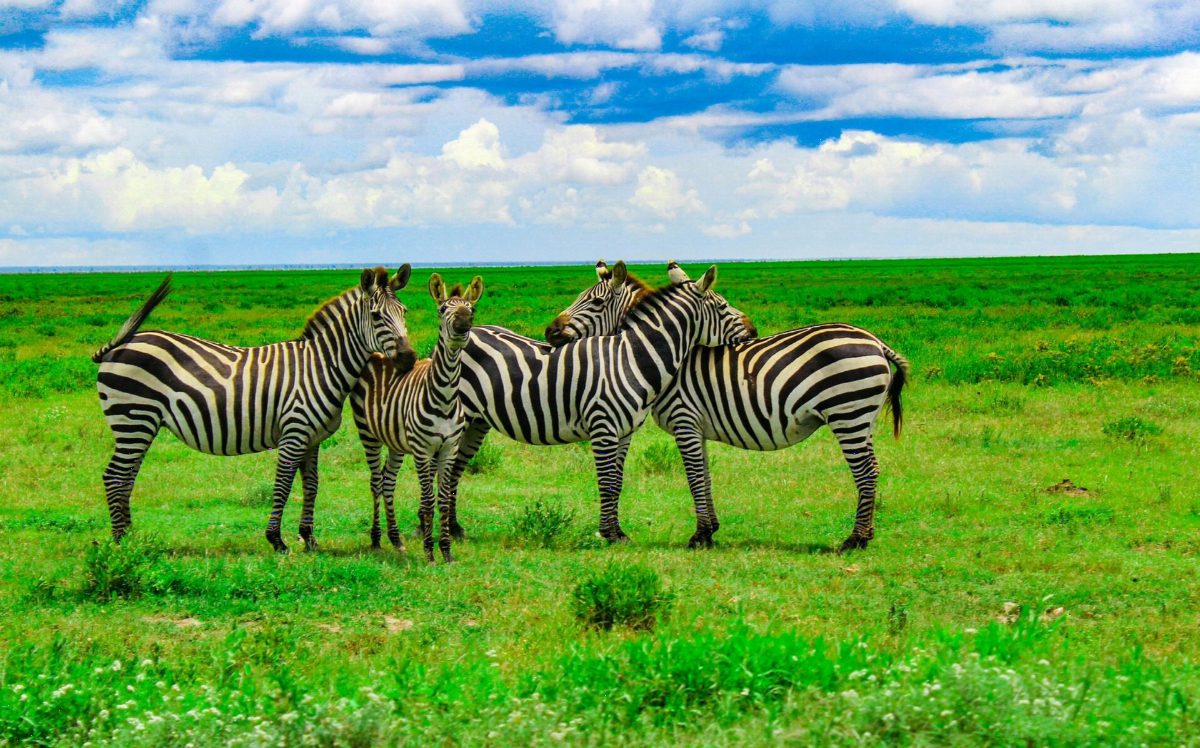

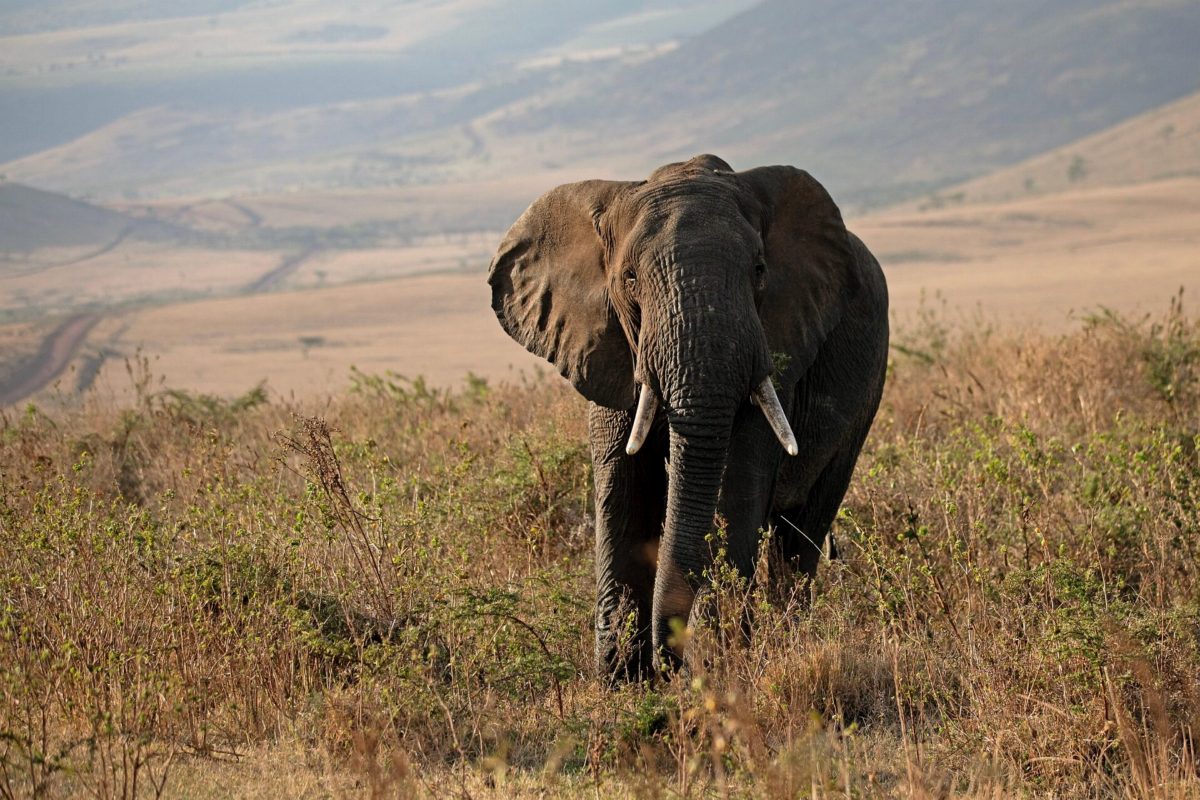


Central Serengeti, usually called Seronera after the valley and the river running through it, is the part of the park that doesn't depend on the migration. Water is present year-round, and where there's permanent water there's permanent game.
The landscape here is the change from the short-grass plains in the south to the woodland in the north. It is open savannah broken by granite kopjes, with acacia and riverine forest along the watercourses. Those three features together are why it holds predators so reliably: kopjes to lie on, cover to hunt from, and prey that doesn't leave.
Why visit Central Serengeti
If you've one or two nights in the Serengeti and your dates are fixed, this is where to spend them. The migration may or may not be within reach depending on the month, but Seronera's residents don't move, and a day here in any season is a productive day.
It is also the most accessible part of the park, with the main airstrip and the largest concentration of accommodation. That accessibility cuts both ways: this is the busiest region of the Serengeti, and a good sighting near the main tracks is often shared with several other vehicles. Trading a little dependability for a quieter region is a reasonable choice if you've more days.
The riverine trees along the Seronera are among the better places in Africa to look for leopard, which is the main reason experienced visitors keep coming back to this area specifically.
Practical notes
Wildlife
Resident lion prides on and around the kopjes, leopard in the riverine trees along the Seronera, and cheetah on the open ground. Elephant, buffalo, giraffe, hippo in the river pools, topi, kongoni and impala year-round. Serval in the longer grass. When the migration passes through, wildebeest and zebra in numbers on top of all of it.
What to do there
Game drives. Hot-air balloon flights operate from this area, launching at dawn over the plains.
Getting there
By road from the Ngorongoro Crater rim, or by light aircraft to the Seronera airstrip, the busiest in the park and the most common fly-in point for a Serengeti stay.
Best time to visit
Year-round. Central Serengeti holds resident game in every month, which is why it's the safest choice when dates are fixed.

Why Seronera works in any month
The central Serengeti is almost always called Seronera, after the river and the valley it runs through. It is the part of the park that does not depend on the migration being nearby. That one fact makes it the right answer for most travellers.
The reason is water. The Seronera river keeps flowing through the dry season, when the seasonal streams across the rest of the park have dried up. The valley it cuts is lined with acacia and sausage trees.
Permanent water, plus cover, plus prey that stays all year, adds up to predators that stay all year. Seronera holds one of the densest populations of big cats in Africa.
Lion are the constant. The prides here are large, they have been studied for decades, and they are completely used to vehicles. It is normal to find them on a kopje or lying under a tree within the first hour of a drive.
Leopard are the real speciality. The sausage trees along the river are close to the most reliable leopard habitat on the northern circuit. A slow drive along the river circuit early in the morning is how most people get their sighting.
Cheetah prefer the more open ground to the south and east.
Beyond the cats there are elephant, buffalo, giraffe, topi, hartebeest, impala and warthog in good numbers. The kopjes, which are granite outcrops rising out of the plain, hold hyrax and agama lizards, and often a lion pride using them as a lookout.

What each season does to the centre
The centre changes less through the year than any other part of the Serengeti, and that is exactly why it is useful. But it is not the same every month.
From June to October the grass is short and cropped, the ground is pale and dusty, and the animals stay close to the river. This is when Seronera is easiest for game viewing. It is also when it is busiest, because it is the most accessible part of the park by road and carries the most vehicles.
From November to May the country turns green. In places the grass grows long enough to hide a cheetah, and the resident animals spread out more. Sightings take more work. In return, the light is better, the skies are dramatic and there are far fewer vehicles.
The migration passes through the centre twice in a normal year, heading north around May and June and back south in November and December. It does not stay. If you happen to be here in one of those windows you may find yourself in the middle of it, but that is luck, not planning.
The centre really proves its worth when your dates are fixed. If you cannot move your travel window, if this is your first safari, or if the trip has to work no matter where the herds are, stay here.

Seronera is the easiest part of the Serengeti to reach. By road it is about two to three hours from the Naabi Hill gate, and that gate is about two hours from the Ngorongoro crater rim. So on a driving trip you can leave the crater after breakfast and be on a game drive in the centre by mid-afternoon.
Seronera airstrip also takes daily scheduled flights from Arusha, Kilimanjaro and Zanzibar, which makes it the simplest fly-in option.
Two nights is the working minimum. Three nights lets you take the river circuit slowly one morning, drive out toward the Moru kopjes on another, and still have an unhurried day.
Accommodation covers the full range here, from public campsites through mid-range tented camps to expensive permanent lodges. That choice is another reason the centre suits most trips. It is the one region of the Serengeti where a smaller budget genuinely has options.
We should be honest about the trade-off, which is traffic. A good leopard sighting near the river in August will draw vehicles, sometimes a lot of them. If solitude matters to you more than reliability, the west or the far north will give you more of it. You pay for that with a much longer drive and a much shorter window of good game viewing.
The Moru kopjes, in the south-west of the central region, repay the extra hour. Black rhino are occasionally seen there, and there are Maasai rock paintings and a gong rock on the way.

Balloons, kopjes and the Moru rhino
Plan two things in the central Serengeti in advance instead of deciding on the day.
The first is a balloon safari. Balloons take off near Seronera before dawn, fly for about an hour over the plains as the light comes up, and land for breakfast in the bush. They are expensive, and they will be one of the biggest single items you can add to a safari. Almost everyone who does one says it was worth doing once. The flight is silent apart from the burner. You see the herds and the river system in a way you simply cannot from a vehicle. And the landing is part of the fun. Book early, because there are only so many seats and August sells out.
The second is the Moru kopjes, in the south-west of the central region. They repay the extra hour of driving. These are granite outcrops rising out of the plain, with their own small world of hyrax, agama lizards and often lion. The area around them is one of the few places in the Serengeti where you might see black rhino. Moru also has Maasai rock paintings on a sheltered rock face, and a gong rock, which is a boulder that rings when you strike it and was once used to send signals.
Both take about half a day from a camp near Seronera, and both are better early in the morning than in the middle of the day.
Visiting Central Serengeti
Is the central Serengeti good when the migration is elsewhere?
Where is the best place to see leopard in the Serengeti?
How do you get to the central Serengeti?
Is the central Serengeti crowded?
Want Central Serengeti in your trip?
Tell us how long you have and we will build an itinerary around it.