
Game drives across the northern circuit
Wildlife Safaris
Classic game-viewing in Tarangire, Lake Manyara, the Serengeti and the Ngorongoro Crater, in a private vehicle with your own guide.
Most people arrive knowing roughly what kind of trip they want before they know which parks. Start here, and the itineraries follow.
Classic game-viewing in Tarangire, Lake Manyara, the Serengeti and the Ngorongoro Crater, in a private vehicle with your own guide.

Timed itineraries that put you where the wildebeest are. Calving on the southern plains early in the year, river crossings in the north from July.

Time with communities who live alongside the parks, built into a wildlife itinerary instead of bolted on as a photo stop.

Marangu, Machame, Rongai and Lemosho, from five to eight days. Route choice is mostly a question of how much acclimatisation time you want.

Single-day trips from Arusha and Moshi, useful either side of a climb or as a gentle first day.
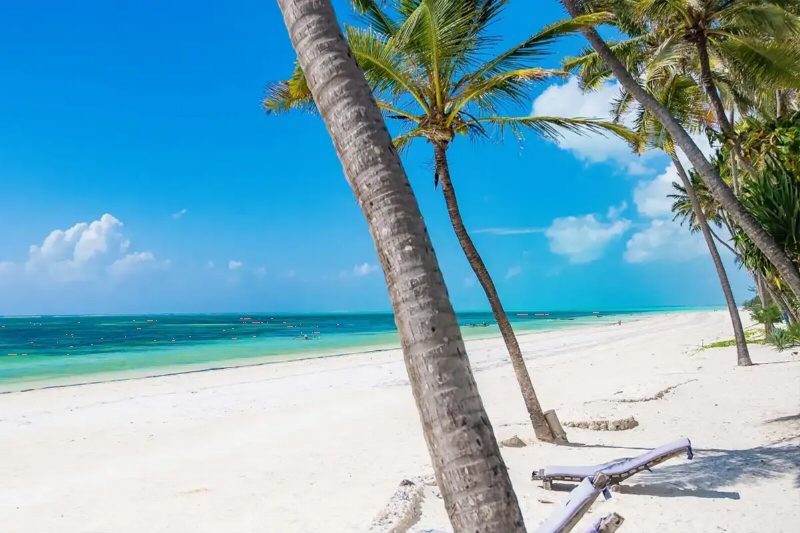
Beach time after the parks. Short flights from Kilimanjaro make a combined safari-and-island trip straightforward.

Every safari we run is private. No shared seats, no fixed departure you have to fit around.

The four parks west of Arusha that hold most of northern Tanzania's wildlife, close enough together to combine on a short trip.

Combining a northern circuit safari with time on the Zanzibar coast: how the two halves fit together, and how long each needs.

What the premium actually buys on a Tanzanian safari, and what it doesn't.

Where most Tanzanian safaris sit, and why: private bathroom, proper bed, no premium for polish.

The cheapest way to do a Tanzanian safari properly, and an honest account of what you give up.

What changes when children come along: pace, distances, and which parks suit a short attention span.

What we change for a honeymoon: fewer moves, better-sited camps, and the beach at the end.

Safaris arranged for people who came to photograph, not just to look, and what that changes.

When the wildebeest drop their calves on the short-grass plains, and the predators that follow.

The places in northern Tanzania where you can walk, what it's actually like, and what it isn't.
Most enquiries start with a number of days, but the length of a trip is usually the last thing worth deciding. What matters more is what you want from it — the first sighting of the big animals, time with the people who live alongside them, the migration specifically, a summit, or a beach at the end. Each of those points at a different route, a different month, and often a different budget.
A wildlife safari is the default and the right starting point for a first visit to Tanzania. The migration is a subset of that: the same parks, but timed around where the herds are likely to be, which changes the itinerary and sometimes the price. A cultural safari trades one or two game drives for time with Maasai, Hadzabe or Datoga communities, and suits travellers who find a week of driving between sightings repetitive.
Kilimanjaro is a separate trip with its own preparation, and Zanzibar is usually an extension rather than a destination in its own right. Day trips from Arusha fill the gaps at either end — the day you land, or the day before you fly home.
Nothing here is fixed. Every trip is quoted privately, so the categories below are a way into the conversation rather than a menu.

The pages listed here cut the same set of parks in different directions, and most people belong to more than one of them. It helps to decide in this order.
First, the subject. Wildlife, Kilimanjaro, culture, or the coast. That determines the shape of the trip more than anything else, and the combined safari-and-Zanzibar page covers the most common answer of all: some of each.
Second, the style. Private is the default here and means your own vehicle, guide and schedule. Budget camping, mid-range and luxury describe where you sleep, not what you see. The parks, the vehicle, the guide and the animals are the same at every level.
Third, the specialism, if you've one. Photography, walking, birding, the calving season and the migration each change where you should be and when, sometimes by a lot.
Fourth, who is travelling. Family and honeymoon pages exist because both change the pace of a trip, not its content. Fewer parks, more nights in each, and different priorities on the driving days.
If none of that resolves it, start with the northern circuit page. It explains the geography everything else is built on.

Whatever kind of trip you choose, some things don't change, and knowing them makes the choice easier.
Every trip is private. Your own vehicle, your own guide, and a day shaped around what you want, not a group schedule. Every itinerary on this site is a starting point that can be lengthened, shortened, re-ordered or re-based.
Park fees are the same for everybody. They are charged per person per 24-hour period by TANAPA, with crater entry levied separately by the NCAA, and they're the largest fixed cost on any northern-circuit trip regardless of who you book with or what standard you choose.
The wildlife is the same for everybody. The parks are public, the tracks are shared, and no standard of accommodation changes what's on the plains.
The driving is the same for everybody. Corrugated murram roads, three to four hours on a transfer day, and distances that take much longer than the kilometres suggest. The only genuine fix is flying a leg.
And nothing is guaranteed. You can plan to be in the right place in the right month with enough days to be patient.

Normally included on a safari itinerary: airport transfers, a private vehicle with a pop-up roof, fuel, a driver-guide, all park and conservation-area entry fees, crater entry, camping or concession fees, accommodation, three meals a day once the safari has started, and drinking water in the vehicle.
Normally excluded: international flights, the Tanzanian visa, travel insurance, drinks other than water, tips, laundry, and optional extras such as balloon flights, night drives, walking safaris and the Lake Manyara canopy walkway.
On a Kilimanjaro climb, add hotel nights in Moshi either side, all crew wages, group camping equipment and rescue fees to the included list. Hire gear, personal equipment and crew tips go on the excluded one.
Insurance is the thing most often got wrong. A standard policy frequently excludes trekking above 4,000 or 5,000 metres, and Zanzibar requires its own medical cover bought on arrival on top of any policy you hold.
Ask which specific camps a quote is based on. That single answer explains most of the difference between two prices.

These aren't separate products so much as different ways of describing the same trip.
A family safari can be mid-range or luxury. A photographic trip is usually also a private one, because you need control of the vehicle. Almost any of them can have Zanzibar on the end.
So don't treat the choice as a menu where you pick one. Work out the two or three things that matter most, budget, who's travelling and how much time you have, and the category tends to name itself. If two pages both look right, they probably both are.