Destinations
Serengeti or Ngorongoro: How They Differ
They are usually visited together, but they're very different places and reward different expectations.
Notes from the field — wildlife, planning advice and what is happening across the northern circuit.
Destinations
They are usually visited together, but they're very different places and reward different expectations.
Kilimanjaro
The routes differ mainly in acclimatisation profile, traffic and whether you sleep in huts or tents. Here is how they compare.
Travel Advice
The short version: layers, soft bag, binoculars, and less than you think.
Wildlife
All five are present. Four are straightforward on a northern circuit trip. The fifth is the one that decides it.
Travel Advice
An honest look at the practical risks on a safari trip, which are mostly not the ones people worry about.
Journal
Which part of the park to be in, month by month. The Serengeti is large enough that the answer changes by region as well as by…
Journal
Region matters more than star rating, and the difference between inside and outside the park is an hour of your morning.
Journal
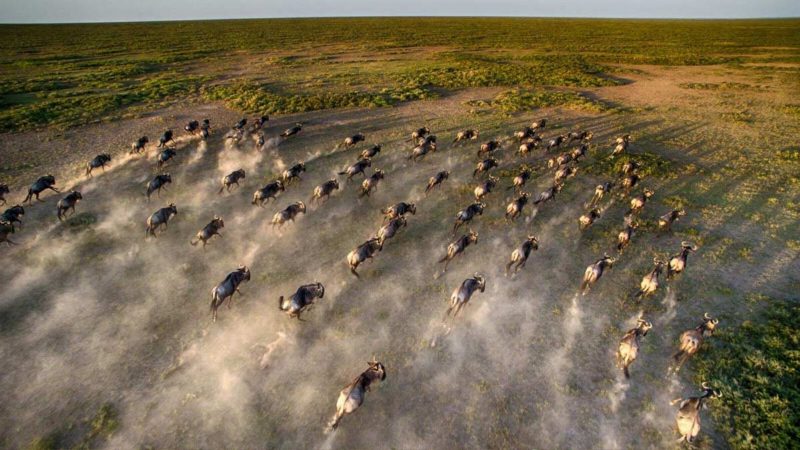
The same ecosystem, split by a border. The real differences are size, season, crowding and how you get there.
These articles answer the questions people ask before they are ready to enquire. How long should a safari be? What does a climb cost? Which month should I travel? Which route should I take? What should I pack? This is planning material, not marketing.
They fall into four groups.
Timing pieces cover when to go: the best time for a safari in general, for the Serengeti in particular, the migration month by month, and the two Kilimanjaro climbing seasons. Between them they answer the biggest planning question of all, which is which weeks to book.
Cost pieces set honest expectations. They explain what park fees are, and why they dominate the price of both a safari and a climb.
Comparison pieces answer the "or" questions. Serengeti or Ngorongoro. Serengeti or Masai Mara. Which Kilimanjaro route.
Practical pieces cover packing, safety, altitude, tipping and where to stay.
None of them promises you a sighting. And where an article touches on anything medical, especially altitude, it says plainly that the conversation belongs with your own doctor and not with a guide.
If you're at the very beginning and haven't settled on dates, start with the best time to visit Tanzania. Nearly every other decision follows from the month you choose.
If you've dates and are deciding how long to go for, read how many days you need for a Tanzania safari next, then how much a safari costs. Those two together set the shape and the budget.
If you are coming for the migration, read the migration month by month carefully, followed by the best time to visit the Serengeti. Between them they tell you which region to base yourself in for your dates, which is the decision that most affects what you see.
If you're climbing Kilimanjaro, start with which route to climb, then the best time to climb, then altitude and acclimatisation. Read the packing list last, once the route is settled.
If you're already booked, the packing article, the tipping guide and the safety piece are the practical three worth reading in the fortnight before you fly.
Three rules govern everything published here, and they're worth stating because they explain some of what you won't find.
Nothing promises a sighting. The migration articles describe where the herds usually are and say plainly that rainfall moves those dates by weeks. The wildlife articles describe what's likely, not what's guaranteed. Any article that promised you a river crossing would be lying.
Nothing medical is prescribed. The altitude article explains what altitude illness is, what the warning signs are, and gives the same two instructions every time. Tell your guide, and descend. It says explicitly that medication is a conversation for your own doctor before you travel. That boundary is deliberate and it isn't negotiable.
Prices are described, not quoted. Park fees are revised from time to time and a stale figure on a page is worse than none, so the cost articles explain the structure of what you pay and where it goes instead of printing numbers that will be wrong next season.
If something is genuinely uncertain, it says so.
More of these articles are about when to go than about anywhere in particular, and that reflects how the planning actually works: the month you choose determines where the animals are, what the weather does, what the trip costs and how many other vehicles you share it with.
June to October is the dry season. Short grass, animals concentrated on permanent water, the best visibility and the most traffic. The Mara River crossings usually fall in this window and Kilimanjaro is in its main climbing season.
December to March puts the herds on the southern plains, with calving peaking in February and the best light of the year for photography. It is also the quieter, warmer Kilimanjaro season from January.
April and May are the long rains: cheapest by a wide margin, emptiest parks, some camps closed, and not a sensible first climb.
November is the short rains and is consistently the most under-booked good month of the year.
If your dates can't move, the central Serengeti and the Ngorongoro Crater work in every month, and the trip can be built around them.
They won't promise you a sighting. The migration pieces describe where the herds usually are and state plainly that rainfall moves those dates by weeks. Any article guaranteeing a river crossing would be lying.
They won't give medical advice. Wherever altitude comes up, the guidance is the same every time: report symptoms to your guide, and descend. Medication is described as a conversation for your own doctor before you travel, not for a guide and not on the mountain.
They won't quote current park fees. TANAPA and the NCAA revise their tariffs, and a figure that's right today is wrong next season, so the cost articles explain the structure of what you pay and where it goes instead of printing numbers that will age badly.
They won't invent reviews or testimonials. Where those would normally sit, this site links to the external profiles where real ones live.
If something is genuinely uncertain, they say so instead of rounding it into confidence.

These pieces are written to be read before you've decided anything, and they're most useful in that order.
Start with a timing article to fix the month, because everything else follows from it. Then a length article to fix the shape of the trip. Then a cost article to fix the budget. Only then look at individual itineraries, which will make far more sense once those three are settled.
The comparison pieces, Serengeti or Ngorongoro, Serengeti or Masai Mara, which Kilimanjaro route, are for the decisions that come next, once the frame is set.
The practical pieces on packing, safety, altitude and tipping are best left until after booking. What you need in February on the southern plains isn't what you need in August on Kilimanjaro, and reading a packing list before you know the season is wasted effort.
If an article doesn't answer your specific situation, that's usually because the answer depends on your dates. Ask.
These articles answer questions. The destination pages describe places. Most people need both, and in that order.
Start with an article if you're still deciding. How long a trip needs, what it costs, when to come. Move to the destination pages once you know roughly what shape the trip is, because that's where the detail about each park lives.
Then come back. An article about packing or seasons reads very differently once you know which parks you're actually visiting.
If you read only three of these before planning a trip, read the timing article, the length article and the cost article, in that order.
The month decides where the animals are, what the weather does and what the trip costs. The length decides how much of the circuit you can cover without the driving dominating. The cost article explains why park fees make safari pricing behave the way it does, which is the thing that makes two quotes comparable.
Everything else here, the comparisons, the packing lists and the route guides, answers a question you'll have after those three, not before them. The practical pieces in particular are best saved until your dates and route are settled, because what you need in February on the southern plains isn't what you need in August on Kilimanjaro.

The gaps in these pages are almost always things that depend on your particular dates, group or budget. Which month suits a family with a five-year-old, whether your fixed week can reach the crossings, whether a route works around a wedding.
Ask those directly instead of guessing from an article written for everybody. There is no charge for a question and no obligation attached to the answer, and if the honest response is that a different month or a different operator suits you better, that's what you'll get.


