Safaris
Kilimanjaro
Destinations
Experiences
Travel guide
About
Contact Call +255 764 006 061 Plan Your Safari
Wildlife · · 7 min read

Can You See the Big Five in Tanzania?

All five are present. Four are straightforward on a northern circuit trip. The fifth is the one that decides it.

Last updated

All five, lion, leopard, elephant, buffalo and rhino, live in northern Tanzania, and a well-planned trip of a week has a realistic chance at all of them. But they aren't equally difficult, and it's worth knowing which one actually decides whether you complete the set.

The straightforward four

Elephant. Common across the circuit and close to guaranteed. Tarangire in the dry season holds the largest concentrations, and the Ngorongoro Crater has bulls with notably heavy tusks.

Buffalo. Common and widespread, in large herds on the crater floor and throughout the Serengeti.

Lion. Very likely on any trip that includes the Serengeti and the crater. Central Serengeti kopjes are reliable, and the crater floor holds well-known prides.

Leopard. Genuinely possible, not guaranteed. The Seronera valley in the central Serengeti is among the better places in Africa to look. The riverine trees there are exactly the habitat they use. Expect to need patience and a guide who knows where to look.

The one that decides it: rhino

Black rhino are present but scarce, and the Ngorongoro Crater is realistically your best chance in northern Tanzania. Even there they're often distant, and a sighting is often a dark shape across the floor through binoculars, not the photograph you had in mind.

If seeing rhino matters to you, build in a full crater day and set expectations accordingly. No operator can promise them, and one that does isn't being straight with you.

A note on the term

"Big Five" comes from hunting, not from ecology. It described the five most dangerous animals to hunt on foot. It survives as a checklist, and it's a poor guide to what makes a safari good. Some of the most memorable sightings on any trip involve none of them: a cheetah hunt on the open plains, wild dogs, a leopard cub, or the sheer scale of the migration.

Treat it as a bit of fun, not an objective, and tell your guide what you actually care about. If it's birds, or predators, or photography, that's far more useful to them than a list of five.

Itineraries

Safaris we run

All safaris
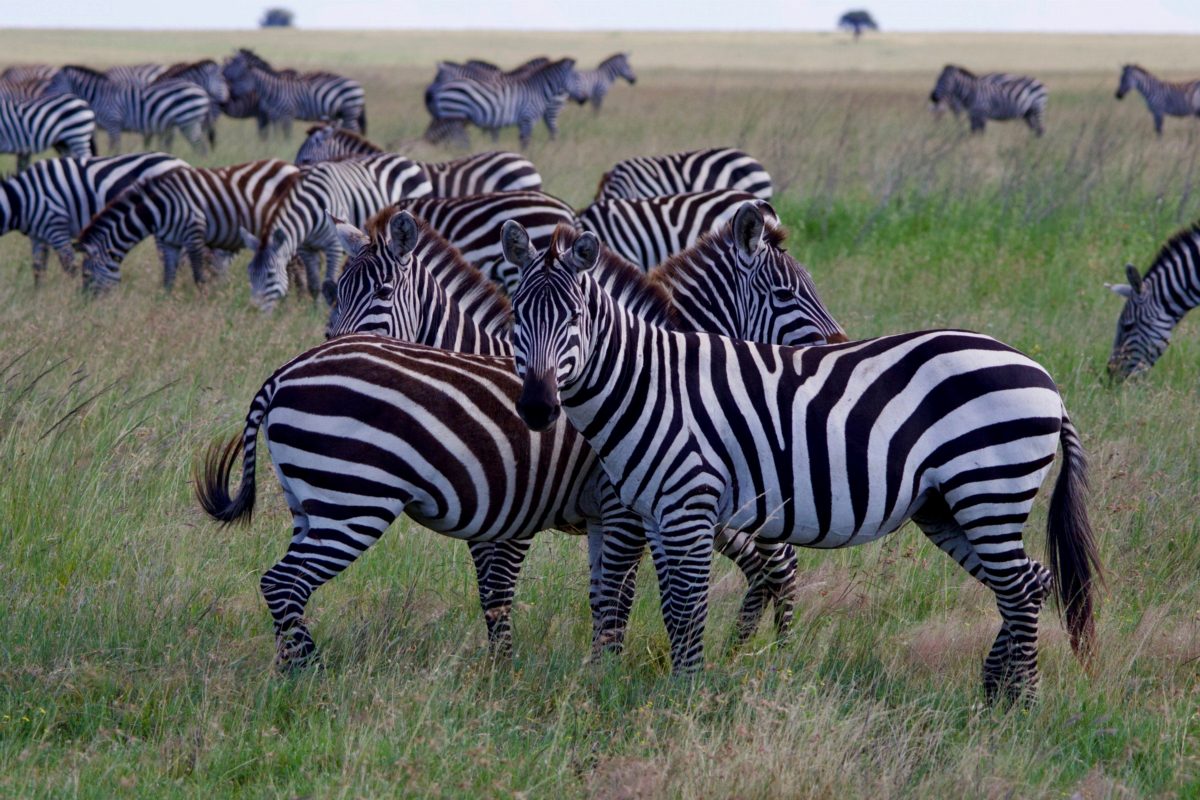
Zebras nuzzling each other in a herd on a grassy plain.
The difficult one

Rhino, and why it is the hard member of the five

Four of the five are straightforward on a normal northern-circuit trip. Lion, elephant, buffalo and leopard are all present in good numbers and all are realistically seen in a week, with leopard the one that takes patience and the Seronera river valley the place to look.

Rhino is the problem, and it helps to understand why instead of simply being told to hope.

Black rhino were reduced across East Africa by poaching to a fraction of their former numbers, and the Tanzanian population is concentrated in a small number of heavily protected areas. On the northern circuit that effectively means the floor of the Ngorongoro Crater, where a small population lives under close protection, and, much less reliably, the Moru kopjes area of the Serengeti.

Even in the crater, sightings are usually at distance, out toward the Gorigor swamp, in the early morning, through binoculars. A close rhino sighting is luck, not a plan, and an operator promising one is promising something they can't deliver.

White rhino aren't present on the northern circuit at all. Any "big five in a day" claim you see is counting the crater and hoping.

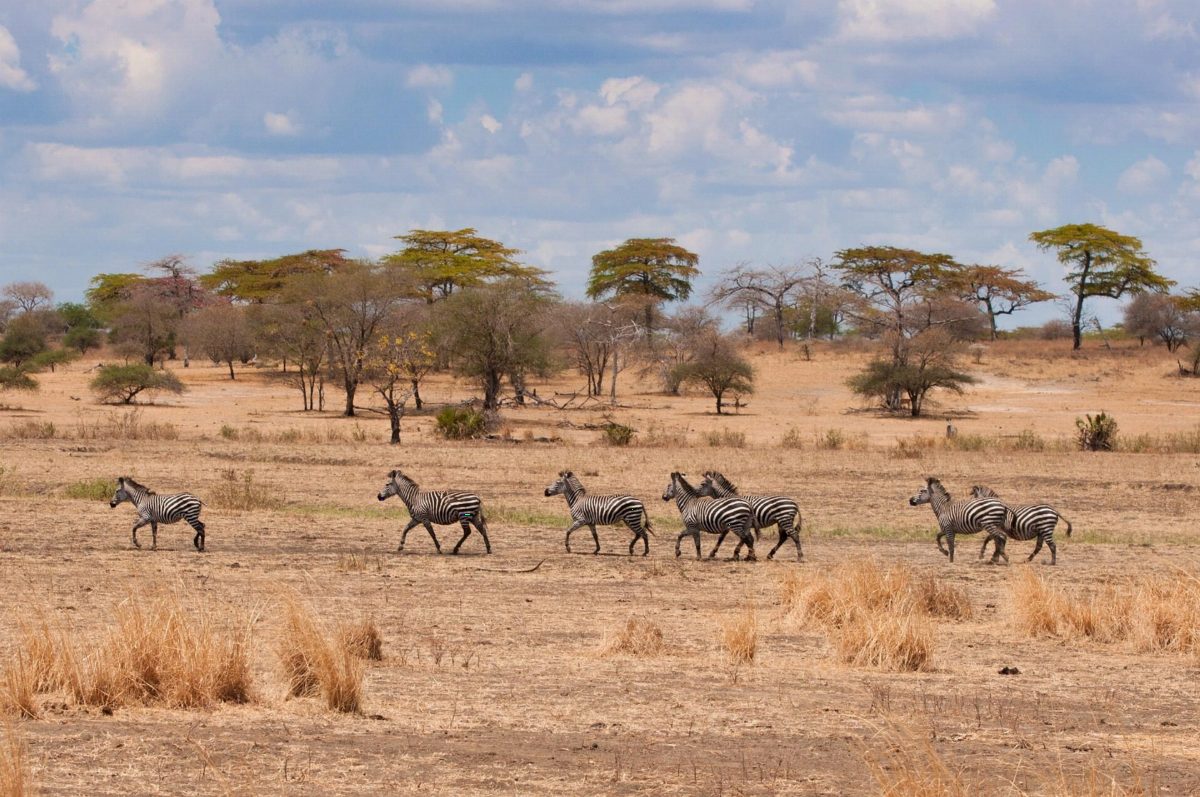
Zebras walking in a line across a dry plain dotted with trees.
Where to look

The best places for each of the five

Lion
The central Serengeti around the Seronera river, where permanent water supports a resident prey base and some of the densest lion populations in Africa. The Ngorongoro crater floor is equally reliable and easier, because the prides there have never had reason to avoid vehicles.
Leopard
The sausage trees and riverine acacia along the Seronera river valley, in the early morning. This is close to the most reliable leopard habitat on the northern circuit. Lake Manyara's woodland is second.
Elephant
Tarangire between July and October, where the river draws animals in from a much wider area and herds of thirty or forty are ordinary. The Lerai forest on the crater floor holds old bulls with heavy ivory.
Buffalo
Everywhere, in large numbers. The crater floor and Arusha National Park are the easiest.
Rhino
The Ngorongoro crater floor, at distance, early in the morning. Occasionally the Moru kopjes in the Serengeti.
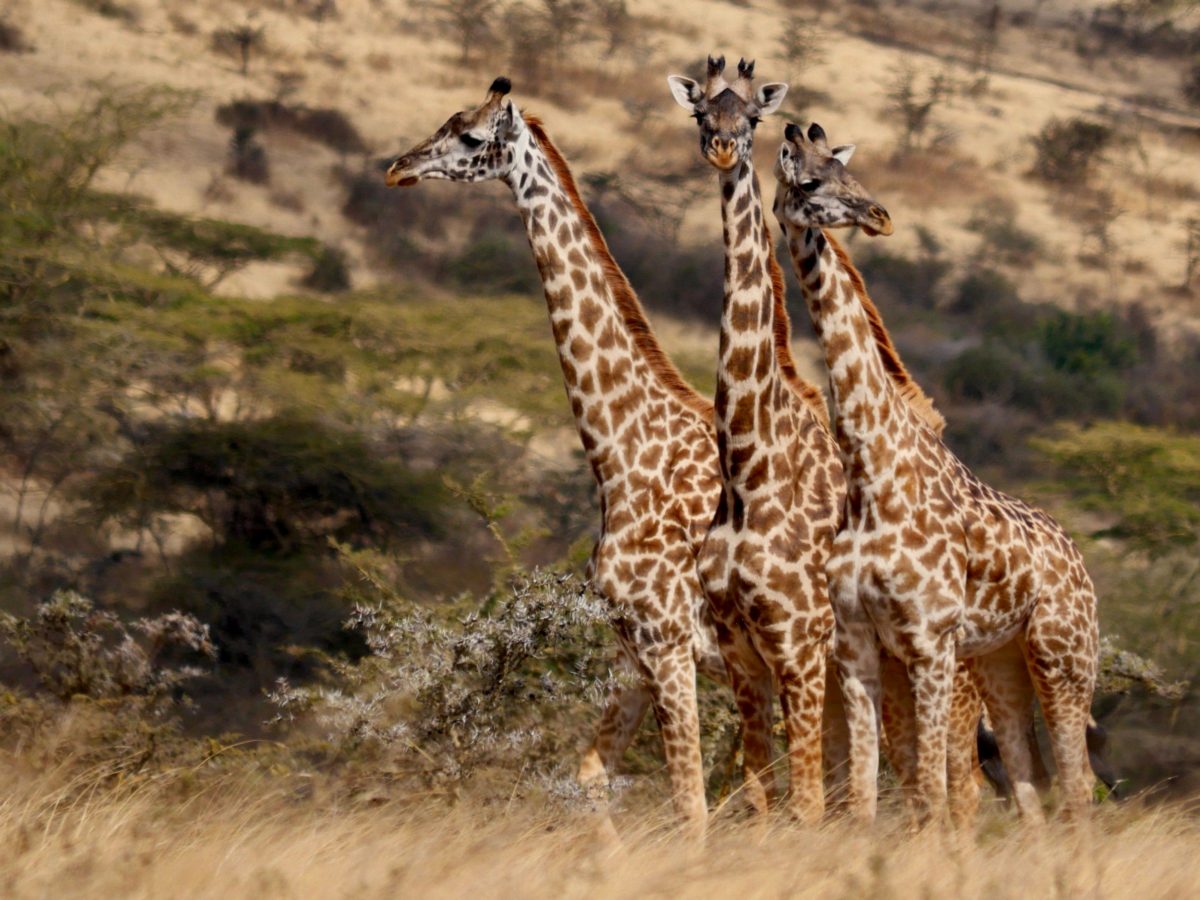
Three giraffes standing together in dry bush.
Worth knowing

The term itself, and what else to look for

"Big five" is a hunting term, not a wildlife one. It was coined to describe the five animals that were considered most dangerous to shoot on foot. That is why it includes buffalo, which is not a rare or difficult animal to see, and excludes giraffe, hippo and cheetah, all of which most people would prefer to watch.

That matters practically, because a trip organised around ticking off five species tends to produce a worse safari than one organised around spending time with whatever you find. The vehicles racing between radio calls are usually chasing the list.

The animals people actually remember are rarely all on it. A cheetah hunting on open ground at Ndutu. A leopard hauling a kill into a tree. Wild dog, which are scarce on the northern circuit and extraordinary when they appear. A honey badger. The first time you understand what a dung beetle is doing.

There is also a "little five": buffalo weaver, elephant shrew, leopard tortoise, ant lion and rhino beetle. It sounds like a joke and is in fact a good way to get a guide talking about what they actually find interesting.

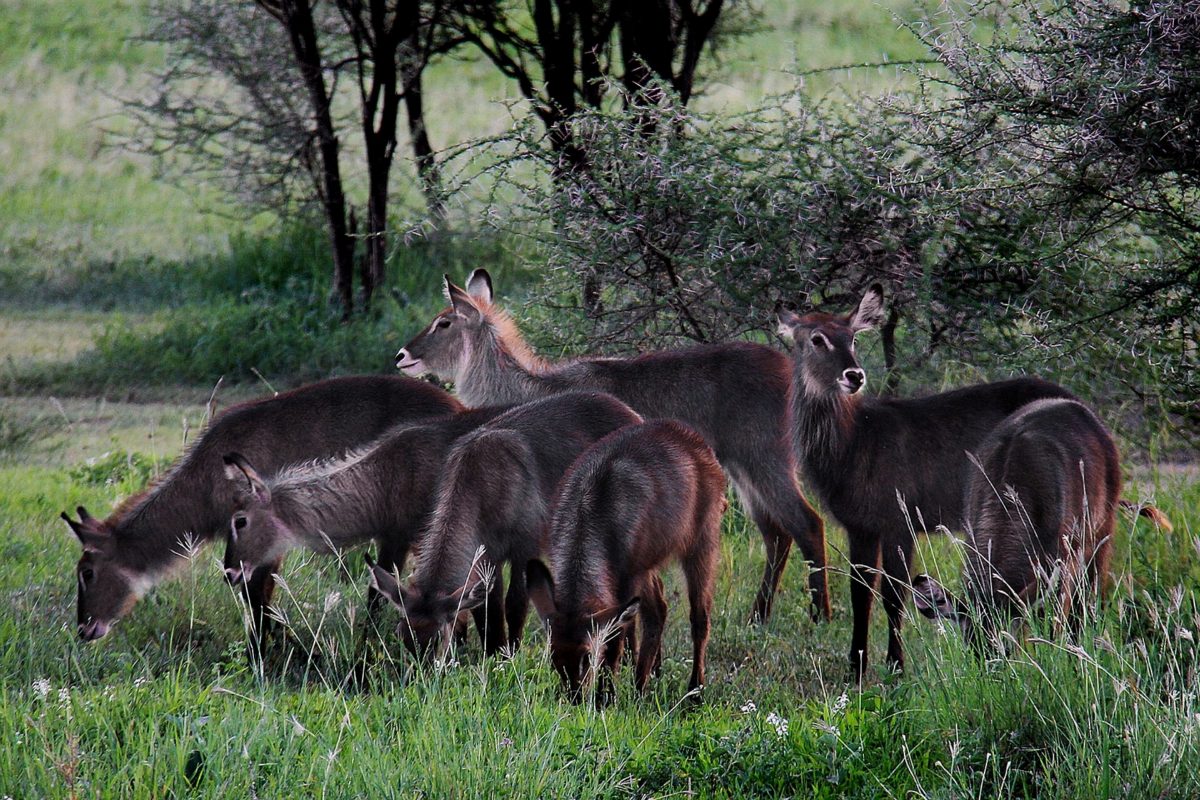
A group of waterbuck grazing in green grass beside a tree.
Common mistakes

What people get wrong about the big five

The first mistake is treating the big five as a checklist. Trips built around ticking off five species produce worse safaris than trips built around spending time with whatever you find. The vehicles racing between radio calls are almost always chasing the list. The best hours on a safari are usually the ones where you stayed put.

The second mistake is expecting all five on a short trip. Four are realistic in a week on the northern circuit. Rhino comes down to being in the Ngorongoro Crater early, and to luck with distance and light. A four-day trip that includes the crater has a fair chance. One that does not has effectively none.

The third mistake is assuming the hardest to find are the rarest. Buffalo are on the list because they were dangerous to hunt on foot, not because they are hard to see. You will see thousands. Leopard, which everyone expects to be hardest, are reasonably reliable along the Seronera river if you are patient.

The fourth mistake is booking the wrong park. Tarangire between July and October is better for elephant than the Serengeti. The crater is better for lion and rhino than either. Where you go matters more than how long you look.

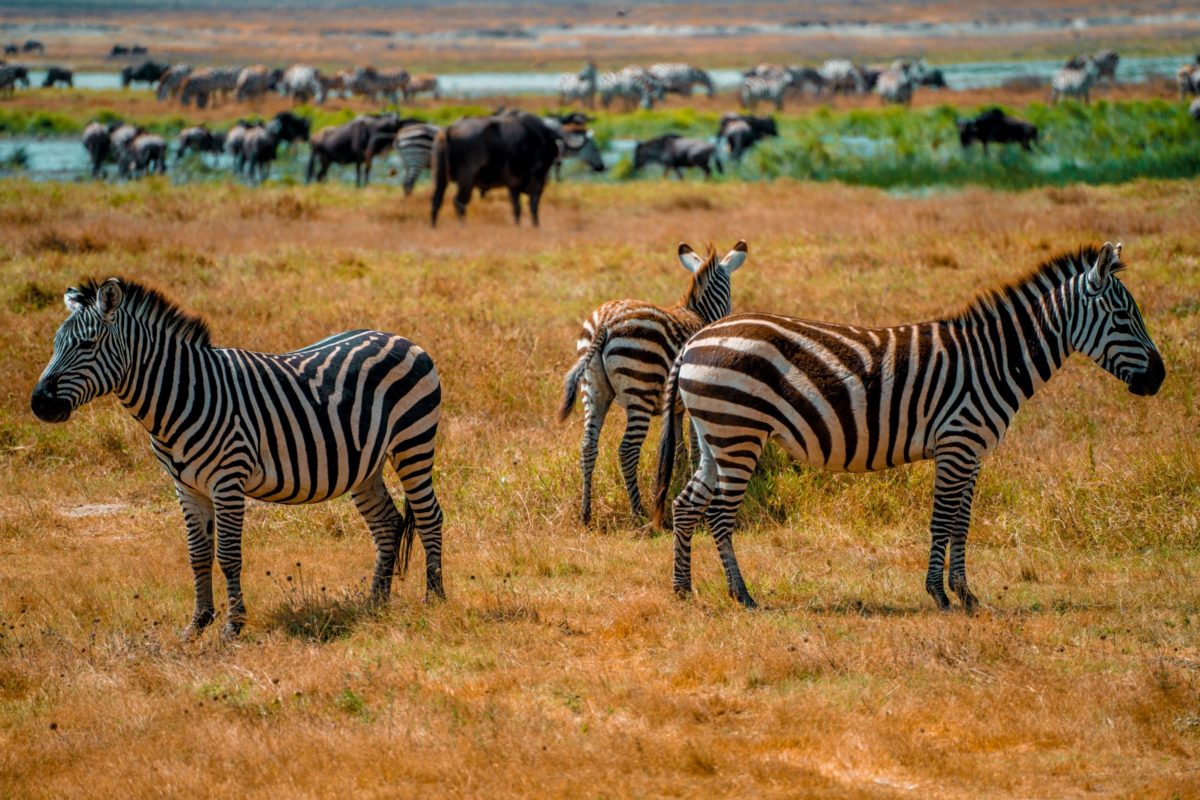
Zebras standing on dry ground in front of a mixed herd.
Planning

The itinerary that gives you the best chance

If seeing four or five of them genuinely matters, the shape of the trip is more important than its length.

Include the Ngorongoro Crater. It is the only realistic rhino on the northern circuit and it's also the easiest lion and buffalo. Without a crater day, four of the five become three.

Include Tarangire if you're travelling between July and October. Elephant densities there in the dry season are the highest in northern Tanzania, and the park is two hours from Arusha so it costs almost nothing in transfer time.

Give the central Serengeti at least two nights for leopard. The Seronera river valley is the most reliable leopard habitat on the circuit, and a morning drive along the river circuit is how most sightings happen. One night isn't enough to be patient.

Start early every day. The first hour after dawn accounts for a disproportionate share of cat sightings.

And go with a guide who is willing to sit. The vehicles racing between radio calls see less than the ones that stayed.

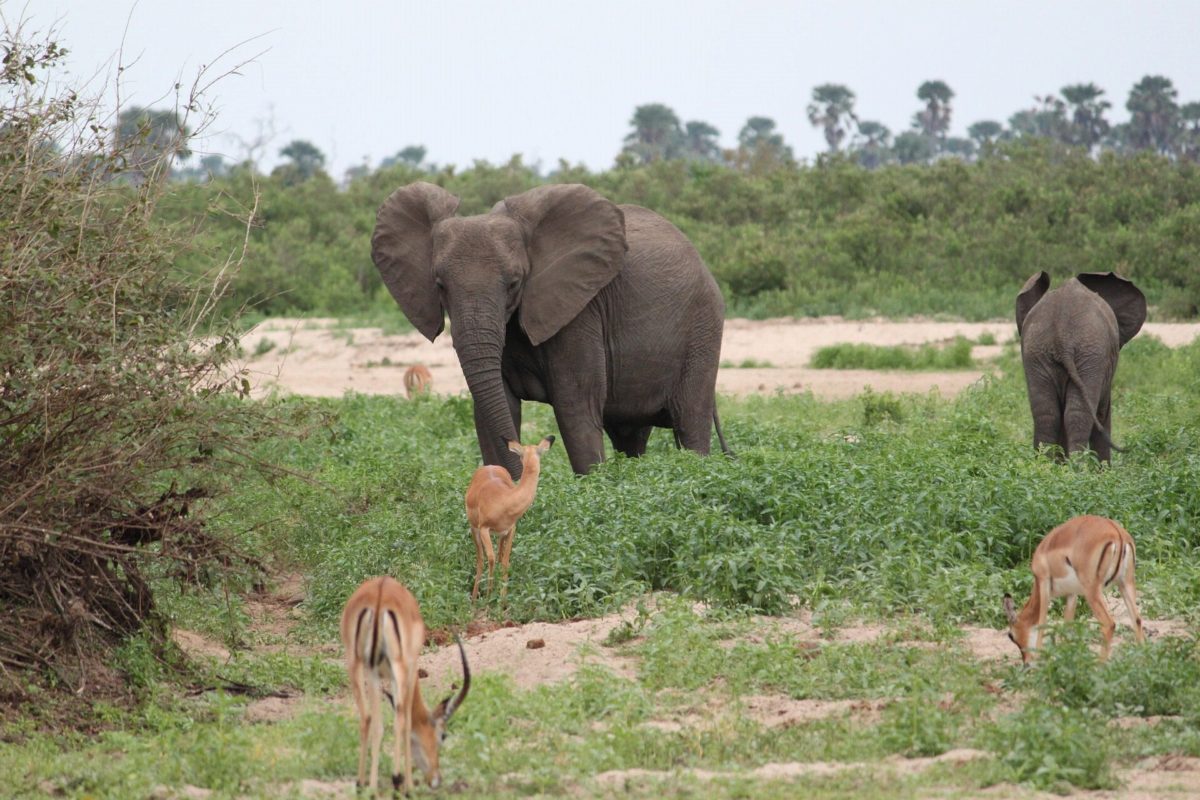
Elephants and impala feeding together in green grass by a river.
In short

The realistic answer

Four of the five are realistic in a week on the northern circuit if the itinerary includes the Ngorongoro Crater and gives the central Serengeti at least two nights.

Rhino is the one that turns four into five, and it's a matter of being on the crater floor early and having luck with distance and light. Nobody can promise it.

And a trip organised around the list will see less than a trip organised around staying with whatever it finds.

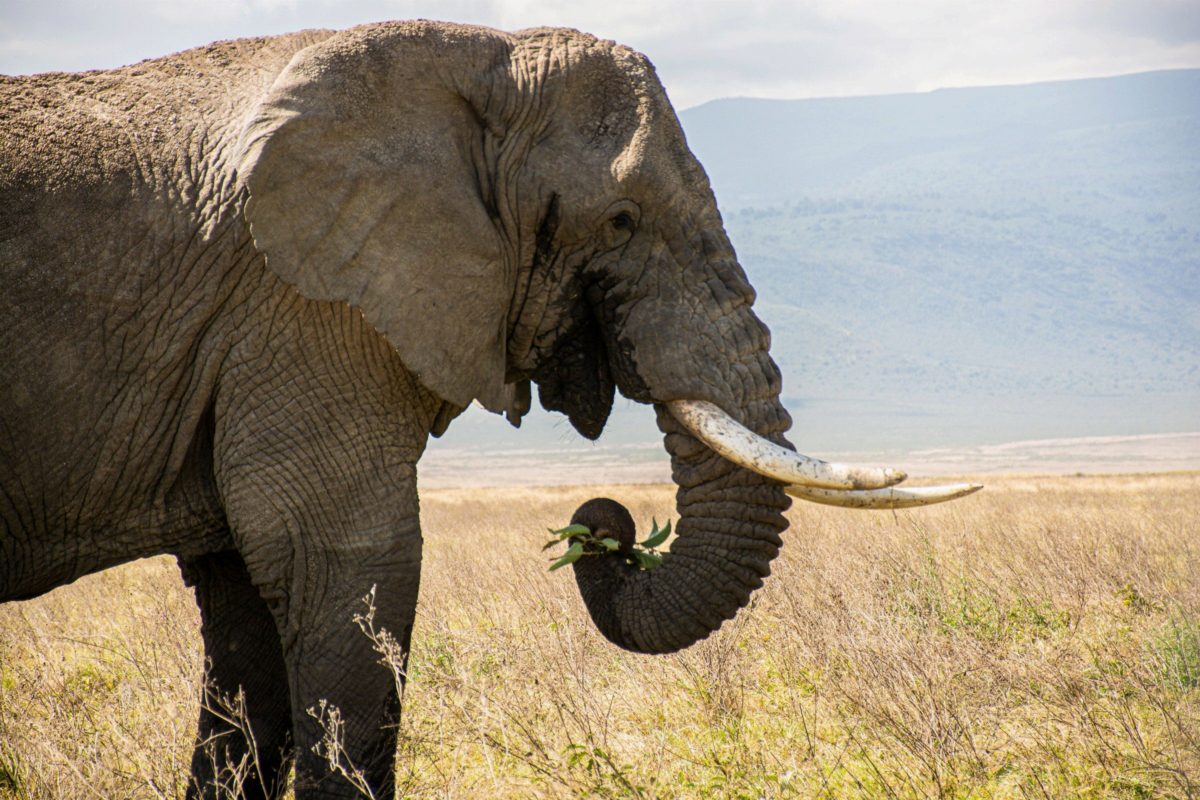
An elephant eating grass, its trunk curled.
One more thing

A note on the term

Remember that "big five" is a hunting-era phrase describing the animals considered most dangerous to shoot on foot. It isn't a ranking of what's worth watching, which is why it includes buffalo and leaves out cheetah, giraffe and wild dog.

More from the journal

Keep reading

All stories

Journal

Altitude on Kilimanjaro

Altitude, not fitness, stops most people. The way acclimatisation is managed on the mountain, and why this article…

Talk to a safari expert on WhatsApp (opens in a new tab)